Loading...
Serving Yakima, WA and surrounding areas. (509) 654-9682
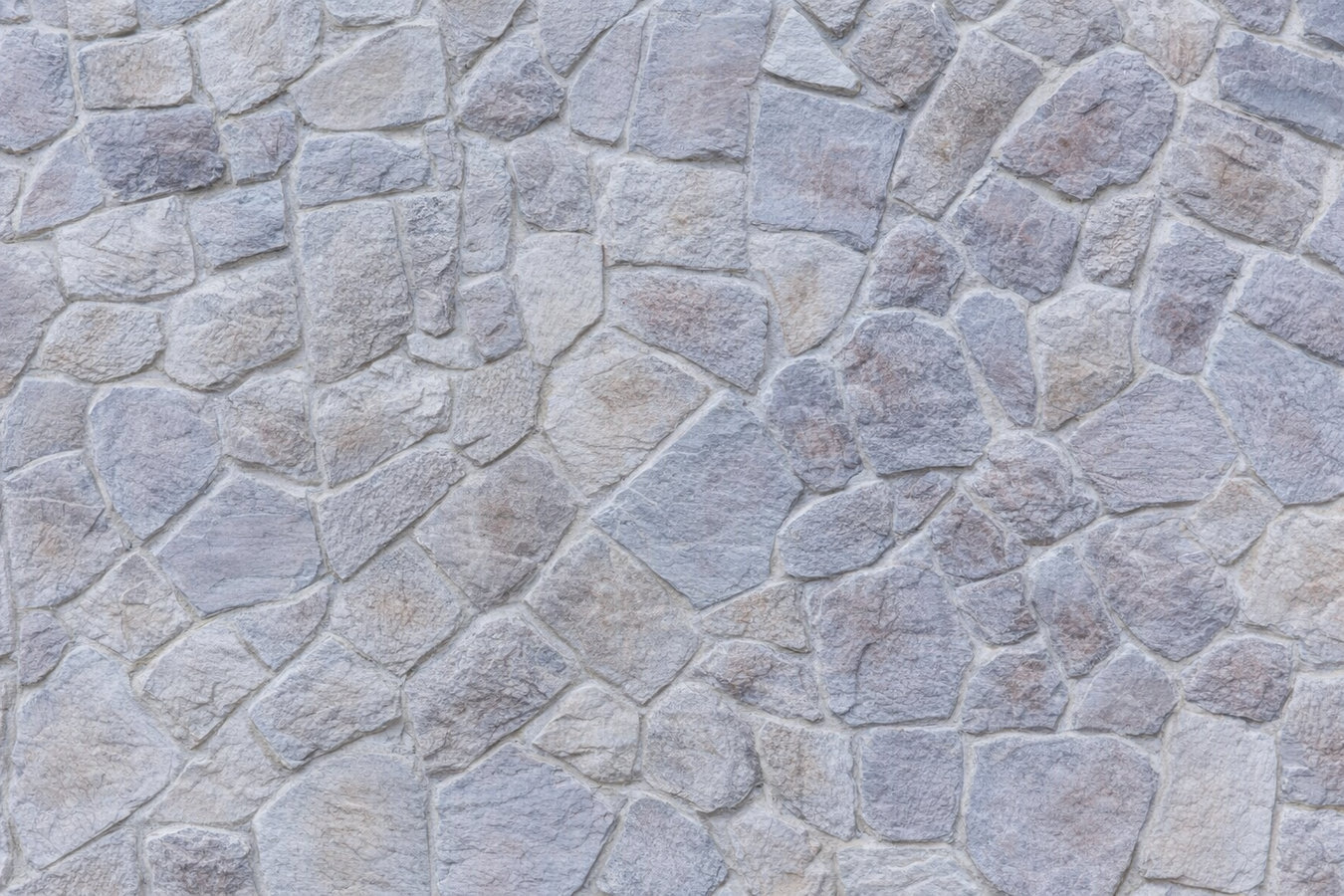
Stone walls, patios, steps, and retaining walls built for Yakima's climate - not just for the photos. Every project starts with the right footing and mortar for this valley's hard winters.
Stone masonry in Yakima, WA is the craft of building and repairing structures using natural or manufactured stone held together with mortar - covering retaining walls, patios, steps, garden walls, and decorative features - with most residential projects completed in one day to two weeks depending on size and complexity.
A lot of homeowners in Yakima are dealing with older stonework that was built before modern mortar mixes and footing standards existed. When mortar joints start crumbling or a retaining wall begins to lean, it is almost always a sign that the original construction did not account well enough for this valley's freeze-thaw cycles or shifting clay-heavy soils. The good news is that targeted repairs can often stabilize what is there without tearing everything down and starting over.
If the joint mortar between stones has failed but the stones themselves are sound, our brick pointing service can address that specifically - removing the old mortar and packing in fresh material to seal the wall against water and freeze damage.
Visible gaps, cracks, or powdery material between stones is the clearest sign that mortar has failed and water is getting in. In Yakima, this damage often appears after a hard winter when freeze-thaw cycles have worked through weakened joints. Waiting makes the repair more expensive - once water gets behind the stones, the damage spreads fast.
A wall that is no longer plumb has lost structural integrity, and soil pressure behind it will keep pushing until it fails completely. This is especially common in Yakima's older neighborhoods, where walls were often set on shallow footings that cannot handle the soil movement the valley sees during wet winters.
Stones that rock underfoot or joints that have opened up are a trip hazard, but they also signal that the base beneath has shifted or eroded. In Yakima, this often happens near sprinkler zones or downspouts where water has been washing away the material under the stones over many seasons.
White residue on a stone wall - called efflorescence - means water is moving through the wall and carrying dissolved salts to the surface. In Yakima's dry summers it can be easy to dismiss, but it signals moisture is getting into the wall somewhere, and that needs attention before the next freeze season arrives.
Every structural stone project we build starts with a footing dug to below Yakima's frost line - typically 18 to 24 inches depending on the site and wall height. The mortar is mixed specifically for this climate so it holds through the freeze-thaw cycles Yakima winters bring year after year. For retaining walls, we install drainage gravel behind the wall as construction proceeds so water has a path out rather than building pressure against the stone. We handle permit applications for projects that require them, including retaining walls over four feet in height where the City of Yakima Building Division requires a permit and inspection before the project closes out.
Stone masonry pairs naturally with other outdoor living work. If you are adding a stone wall alongside a new patio or walkway, we can coordinate with our stone veneer installation service for accent walls or exterior surfaces that call for a lighter-weight solution. For homeowners who want natural stone as part of a larger outdoor space, we also offer brick pointing to refresh joint mortar on existing stone or brick walls before they become a bigger problem.
Best for properties with slopes or grade changes where the wall needs to hold back soil, manage drainage, and stay stable through Yakima's wet winters and dry summers.
Best for homeowners who want a natural stone surface for outdoor living areas or pathways that holds up through temperature swings without cracking or shifting underfoot.
Best for adding structure to landscaping - defining raised planting beds, creating terraced levels, or linking different elevations with stone steps that fit the character of the yard.
Best for existing stone walls, foundations, or features where mortar has failed or stones have shifted - addressing the damage before water infiltration causes structural problems.
Yakima sits in a high desert valley where winter temperatures regularly drop below freezing and summer highs push past 100 degrees. That extreme swing causes moisture trapped in mortar joints to freeze, expand, and crack from the inside out every single winter. Hiring a mason who specifically uses mortar formulated for freeze-thaw conditions is the single biggest factor in how long your stonework will last here. Homeowners in Tieton and across the western valley see this play out with older walls built on generic mortar that starts failing after a decade - while properly built work from the same era is still solid.
The valley's soil adds a second challenge. The Yakima Valley floor has a mix of silt and clay that expands when wet and shrinks when dry - movement that can gradually tilt or crack a stone wall set on a shallow footing. In Naches and communities farther up the valley, many properties also have sloped terrain where erosion pressure builds against retaining walls every spring. A local stone mason familiar with these conditions will dig below the frost line, size footings correctly for the soil, and factor drainage into every structural design from the start. The Mason Contractors Association of America publishes standards for mortar selection and footing requirements in freeze-thaw climates that inform best practices for this type of work.
When you reach out, we will ask a few basic questions about what you want to build or repair and the access situation on your property. We respond within one business day and schedule a time to see the site in person - stone masonry is one of those trades where a photo really does not tell the whole story.
We walk the area with you, look at the existing conditions, check slope and drainage, and ask about your goals and budget. Within a few days you receive a written estimate that breaks down material and labor costs separately, along with a projected timeline so you know what to expect.
If your project needs a permit - retaining walls over four feet in Yakima require one - we handle the application with the City of Yakima Building Division. This step can add one to two weeks to the start date, but it protects you legally and ensures an inspection before the project closes.
The crew prepares the base first - digging below the frost line and setting a footing for structural work, or excavating and compacting gravel for patios and walkways. Then each stone is set by hand. When the last stone is in, we walk through the project with you and explain the curing period and care steps for the new work.
No obligation. We come to your property, walk the site, and give you a straight written estimate.
(509) 654-9682We use mortar formulations specifically rated for freeze-thaw conditions - not generic mixes that look fine in the photos but start cracking after the first hard winter. Choosing the right mortar for the local climate is the most important decision in any stone project in this valley, and it is one we make deliberately on every job.
When your project needs a City of Yakima building permit - retaining walls over four feet, structural masonry near the foundation - we handle the application, inspection scheduling, and closeout. You should not have to navigate city paperwork on your own, and a contractor who pulls permits stands behind their work in a way that unlicensed operators simply cannot.
Our license is publicly searchable through the Washington State Department of Labor and Industries - you can verify our bond and insurance status before you ever hand over a deposit. The state licensing system exists specifically to give Yakima homeowners recourse if work fails or something goes wrong. A licensed contractor is accountable in a way an unlicensed one is not.
Every wall or structural feature we build in Yakima sits on a footing dug to below the frost line. That depth - typically 18 to 24 inches here - is what keeps the base stable as the ground freezes and thaws each year. It is not optional and not something we skip to reduce cost, because a wall built on a shallow footing will not stay plumb through Yakima winters.
Stone masonry done right in Yakima takes specific knowledge of the local climate and soils. When you combine the right footing depth, climate-appropriate mortar, and proper drainage, you get stonework that stays solid for generations - not just for the first season or two. That is the standard we build to on every project.
Restore failing mortar joints between stones or bricks before water infiltration causes structural damage - a targeted repair that extends the life of existing masonry.
Learn MoreAdd the look of natural stone to exterior walls, fireplace surrounds, or accent surfaces using lightweight manufactured veneer panels suited to Yakima's climate.
Learn MoreCall us today or submit a request online and we will schedule a site visit within one business day - no obligation, no guesswork.