Loading...
Serving Yakima, WA and surrounding areas. (509) 654-9682
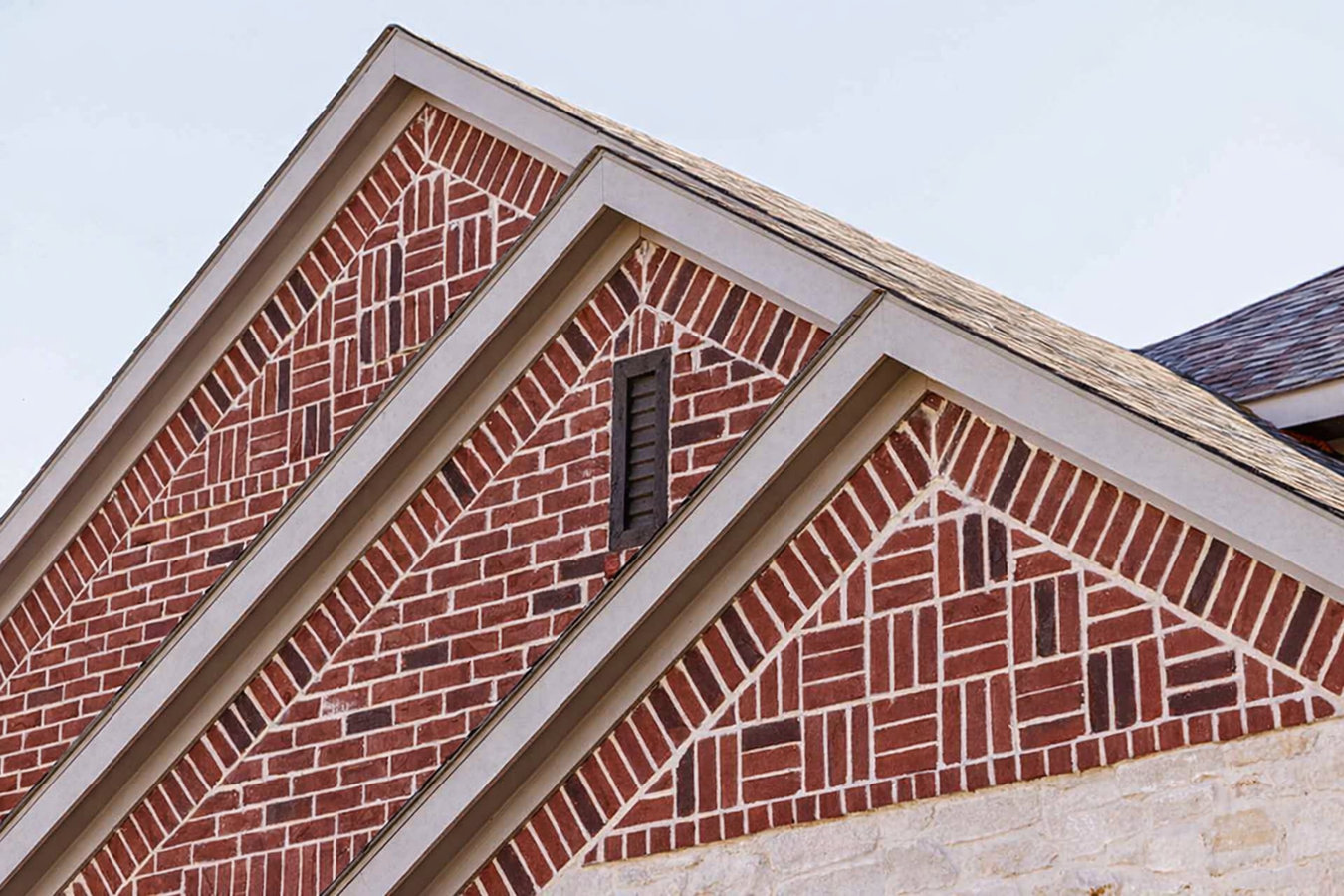
Failing mortar and spalling brick leave your home exposed to Yakima's harsh winters. We restore masonry to full strength so you stop losing ground to every freeze-thaw cycle.
Masonry restoration in Yakima covers repointing worn mortar joints, replacing damaged or spalled bricks, cleaning stained surfaces, and sealing walls against moisture, most jobs take one to five days depending on scope and location on the home.
If you own a home in Yakima, the freeze-thaw cycle has been working on your mortar joints every winter. Water creeps in, freezes, expands, and slowly pops the mortar loose. Left alone, what starts as a surface repair can become a tuckpointing job, a brick replacement, or worse. Catching it early is the cheaper path by a wide margin.
Many Yakima homes built before 1950 were laid with lime-based mortar that is softer than modern cement mixes. Using the wrong product on those walls can crack the original bricks. We match mortar strength, color, and texture to what is already there, so the repair blends in and does not put new stress on old brickwork.
Run your finger along the mortar joints between bricks or stones. If the mortar feels soft, sandy, or flakes away with light pressure, it has lost its integrity. It is no longer keeping water out, and water is the main thing you are fighting in Yakima winters. Catching it at this stage is the least expensive fix.
That chalky white residue on your brick - called efflorescence - is water moving through masonry and depositing minerals on the surface. In Yakima, it shows up most often on walls near irrigation systems or on shaded north-facing surfaces. Cleaning the surface helps temporarily, but the staining returns until the moisture source is addressed.
If you notice cracks in your chimney, retaining wall, or brick veneer that were not there - or were smaller - before last winter, the freeze-thaw cycle has done damage. Small cracks are a repair. Ignored cracks become structural problems that cost significantly more to fix.
When water gets into a brick and freezes, it can pop the face right off - a process called spalling. You will see rough, pitted, or flaking patches on the brick surface. Spalled bricks cannot be patched with mortar alone; they need to be replaced, and the surrounding mortar should be checked at the same time.
Masonry restoration is a broad term that covers the full range of repairs needed to bring aging brick, stone, or block back to safe, weather-tight condition. Most projects start with mortar repointing - the same careful process we use in our fireplace installation work, where tight joints and correct mortar choice protect the structure for decades. If the damage has progressed beyond mortar, we move to brick or stone replacement, matching the original material as closely as possible.
Cleaning and sealing are often part of a restoration project too. We remove staining and biological growth before applying a breathable water repellent that slows future moisture penetration. For homes needing broader structural work, we coordinate with our tuckpointing service to handle larger sections of mortar repair efficiently in a single visit.
Best for homes where the brick or stone is still sound but the mortar joints are soft, cracked, or recessed - the most common issue in Yakima's older neighborhoods.
Right for walls or chimneys where individual units are spalled, cracked through, or missing, and need to be pulled out and replaced with matching material.
Suited to walls showing white mineral staining or biological growth where the underlying moisture source also needs to be identified and addressed.
A finishing step applied after repairs are complete, using a breathable water repellent that protects the surface without trapping moisture inside the wall.
Yakima sits in a high-desert valley where winter temperatures regularly drop below freezing at night and climb back above freezing during the day. That repeated cycle is the primary driver of mortar failure here - more than age, more than use. Homes in established Yakima neighborhoods, particularly those built between the 1910s and 1950s, were laid with lime-based mortar that was not designed to fight modern freeze-thaw winters indefinitely. The National Park Service Preservation Briefs are a useful reference on why mortar compatibility with the original brick matters so much in older homes.
Yakima's irrigation culture adds another variable. Sprinkler systems that hit masonry walls directly accelerate mortar erosion and produce the white mineral staining many homeowners notice each summer. We serve Terrace Heights and Selah, where older brick homes are common and irrigation systems are nearly universal. If your sprinklers are hitting a masonry wall, we will point it out and help you understand what adjustments to make alongside the repair.
We respond within one business day. When you reach out, we ask a few basic questions - what you are seeing, where on the house, and roughly how old the home is - so the on-site visit is efficient and focused.
We walk the affected areas with you, show you exactly what we see, and explain what needs to be done. You receive a written, itemized estimate - not a single number - before any work begins. No surprises.
If your project requires a permit from the City of Yakima - typically structural work like a chimney rebuild - we handle that paperwork. This step adds a few days but protects you legally and ensures the work is properly inspected.
We protect your landscaping with drop cloths, remove old mortar carefully, and pack in fresh mortar matched to your existing joints. At completion, we walk the job with you. Fresh mortar needs 48 to 72 hours before it gets wet, and we give you specific guidance for your situation.
Free written estimate. No obligation. We respond within one business day.
(509) 654-9682Many Yakima homes built before 1950 have softer, lime-based mortar that modern cement products can damage. We assess mortar composition before we mix anything, so the repair is compatible with your original brickwork - not just color-matched on the surface.
We carry a valid contractor license through the Washington State Department of Labor and Industries, along with liability coverage and workers' compensation. You can verify any contractor's license on the L&I website in under a minute - we encourage it.
Mortar needs moderate temperatures to cure properly - Yakima's summer heat and winter freezes both cause problems. We schedule restoration work in the late spring and early fall windows when conditions are right, so the repair lasts instead of failing in its first season.
One of the biggest concerns homeowners have is a quote that balloons mid-project. We provide a detailed, itemized written estimate before work begins. If something unexpected comes up once we are in the wall, we stop and talk to you before proceeding.
Every proof point above comes back to the same thing: we do the work correctly the first time, in the right season, with the right materials. That is how masonry restoration in Yakima actually lasts 20 to 30 years.
Add a new masonry fireplace or rebuild an existing firebox with the same mortar expertise that goes into restoration work.
Learn MoreFocused mortar joint repair for chimneys, walls, and retaining structures where the brick itself is still in good shape.
Learn MoreYakima's freeze-thaw season starts earlier than most people expect - book your fall appointment now so your masonry is sealed and solid before the first hard frost.