Loading...
Serving Yakima, WA and surrounding areas. (509) 654-9682
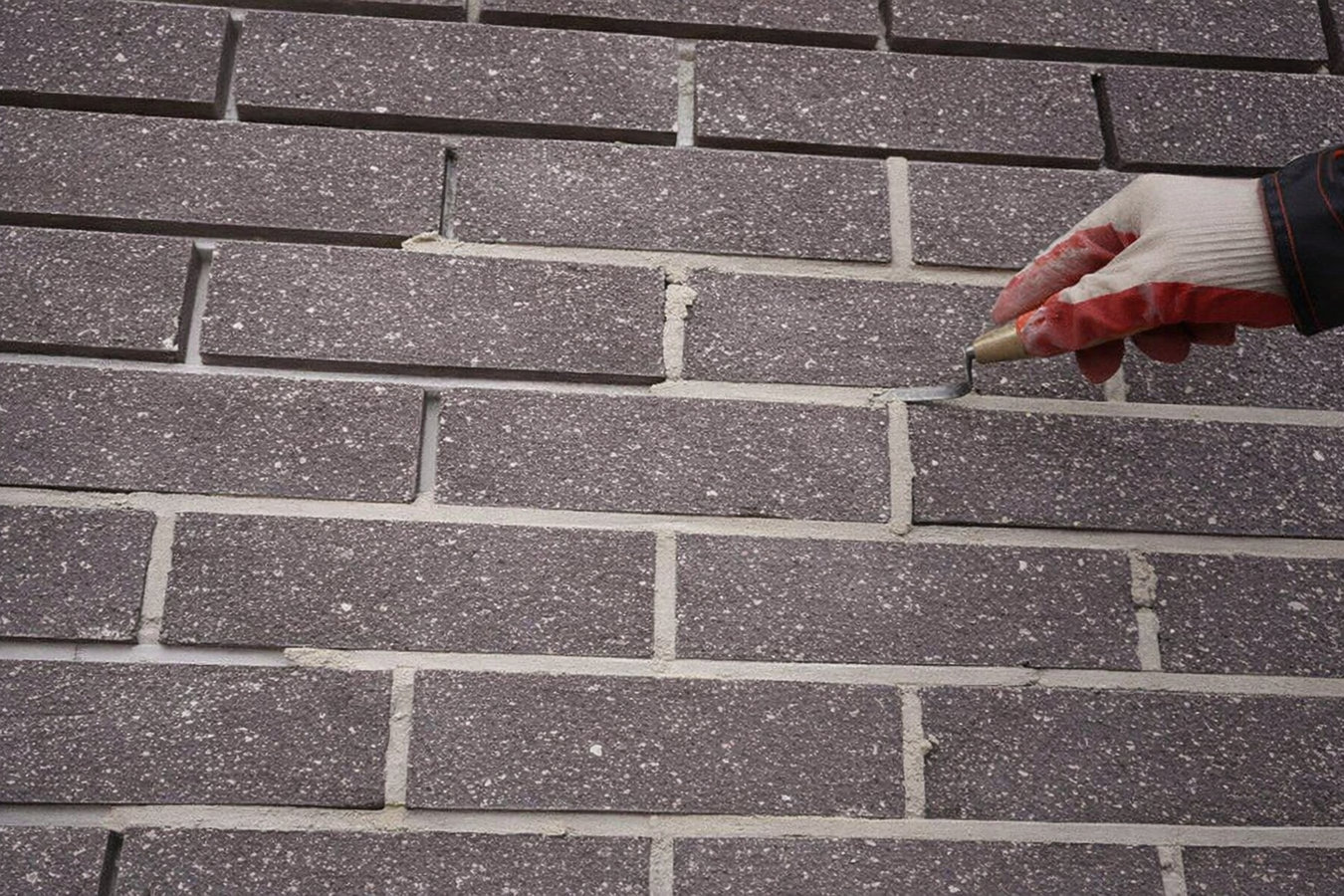
Crumbling mortar joints are not just cosmetic - every Yakima winter makes them worse. We remove the old material, pack in fresh mortar matched to your home, and seal the wall against the freeze-thaw cycle that has been doing the damage.
Brick pointing in Yakima, WA is the process of carefully removing old, crumbling mortar from the joints between bricks and packing in fresh mortar to seal the wall against water - a chimney or small wall section can often be completed in one to two days, while a full exterior wall on a two-story home may take three to five days depending on condition and size.
The mortar between your bricks is designed to be the part that wears out so the bricks themselves do not crack. In Yakima, the freeze-thaw cycle accelerates that wear dramatically - winter temperatures drop below freezing, moisture seeps into tiny cracks in the joints, and when it freezes it expands and pushes the mortar apart from the inside. Every winter that passes without attention makes the damage worse and the repair more expensive. Most homes in Yakima's older central neighborhoods have brick or stonework that has not been professionally repointed in decades.
Brick pointing addresses mortar failure specifically. If your home also has brick that is cracking, spalling, or shifting out of place, our foundation repair service covers underlying structural issues that go beyond what new mortar alone can fix - or our tuckpointing service handles combined mortar and brick face restoration on walls that need a more complete refresh.
Press firmly on any mortar joint with your thumb or a key. If it crumbles, flakes, or feels sandy rather than hard, the mortar has broken down and is no longer doing its job. In Yakima, where freeze-thaw cycles work on mortar every winter, it is worth checking every few years - especially on walls that face north or stay shaded and damp.
Stand back from your wall or chimney and look for joints where the mortar has receded noticeably or disappeared entirely. Missing mortar is an open path for water, insects, and cold air. In Yakima winters, water that gets into those gaps will freeze and make the problem significantly worse within a single season.
White streaks or patches on brick - especially after rain or after sprinklers run - signal that water is moving through the wall and carrying mineral salts to the surface. This efflorescence is a warning, not just a cosmetic issue. Deteriorated mortar joints are the most common entry point, and it is especially common on Yakima homes where irrigation water contacts the wall regularly.
Chimneys take more weather abuse than any other part of a brick home - exposed on all four sides and on top. If your Yakima home has a brick chimney and you cannot remember the last time anyone looked at the mortar joints, have a mason take a look before the next heating season. Deteriorated chimney mortar is one of the most common causes of water damage in older homes here.
Every repointing job starts with careful removal of the old mortar to a minimum depth of three-quarters of an inch - roughly the width of a thumbnail. Shallow removal is one of the most common shortcuts in this trade, and it is also the main reason repointing work fails within a few seasons. New mortar needs enough depth to bond properly to the brick on both sides of the joint. We use a small grinder or chisel to remove the material cleanly without damaging the brick face, then pack in fresh mortar by hand and tool each joint to match the profile of the original work - whether that is a flat finish, a slightly recessed look, or a rounded shape.
For homes built in the mid-20th century - as many Yakima homes were - we assess the original mortar composition before mixing anything new. Older homes used a softer, more flexible mortar that allows the wall to move slightly as the building settles and temperatures change. Using a harder modern mix on an older Yakima home can cause the bricks themselves to crack over time, because the mortar becomes too rigid relative to the brick. We match the mortar type to what is already there. If your project also involves broader structural work, we can pair brick pointing with our tuckpointing service for walls that need both mortar replacement and brick face restoration. For homes where the foundation itself needs attention, our foundation repair team handles the structural side separately.
Best for homeowners whose chimney mortar has never been addressed or who can see receding joints, missing mortar, or white staining - before water damage reaches the flashing or interior masonry.
Best for homes built before 1970 where mortar joints across the entire wall face are softening or receding, requiring a systematic approach rather than spot repairs.
Best for homeowners who have isolated areas of mortar failure - a specific wall section, a low retaining wall, or a garden wall - where the rest of the brick is still in good condition.
Best for older Yakima homes in established neighborhoods where the original mortar must be carefully matched in type and color so the repair does not damage brick or stand out visually.
Yakima's freeze-thaw cycle is the main enemy of mortar here. Winter temperatures drop below freezing at night and climb back above it during the day - sometimes within the same 24 hours. That daily back-and-forth causes water that has seeped into small cracks to freeze and expand, then thaw and contract, over and over through the winter months. If your brick home is more than 20 years old and has not been repointed, there is a good chance those cycles have already done damage you can find if you look closely at the joints. Homeowners in Selah and across the valley's older neighborhoods see this pattern regularly - walls that look fine from the street but have receding or softening joints on closer inspection.
Many homes in central Yakima - the streets around Nob Hill and the Barge-Chestnut Historic District in particular - were built in the 1920s through 1950s when brick construction was common. Mortar from that era has a different composition than modern mixes and needs to be matched carefully. Yakima's irrigation culture adds a second risk: properties with sprinkler heads aimed near brick walls or downspouts that direct water toward the foundation accelerate mortar breakdown significantly. Homeowners in Union Gap and nearby communities with older irrigation infrastructure often see the effects of this on foundations and exterior walls. The Brick Industry Association publishes technical guidance on mortar selection and repointing methods that inform best practices for work on this type of housing stock.
When you reach out, we will ask basic questions - what type of structure it is, roughly how old the home is, and what you are seeing. We schedule a time to come look in person before giving you any numbers. We respond within one business day. Do not trust a quote given over the phone without a site visit - the condition of the mortar and wall access make a significant difference in what the job actually involves.
We walk the area with you and look closely at the mortar joints - checking how deep the deterioration goes, whether the bricks themselves are sound, and whether there are drainage issues that need to be addressed first. You receive a written estimate that spells out what will be done, how many days it is expected to take, and the total cost.
The crew sets up, protects any nearby plants or surfaces from dust, and begins carefully removing the old mortar. The grinding and chipping is the noisiest part of the job and typically takes most of the first day. Once the old mortar is out to the right depth, fresh mortar is packed in by hand, section by section, with each joint tooled to match the original profile.
The crew cleans the brick face and removes all debris before leaving. Your main task for the next 24 to 48 hours is keeping water off the new joints - no sprinklers near the wall, and in Yakima's cooler fall weather give the mortar a full week before any pressure washing nearby. The new joints should feel hard to the touch within a day or two.
We come out, take a real look, and give you a written estimate - no phone guesses, no obligation.
(509) 654-9682The most common shortcut in brick pointing is removing old mortar to only a quarter or half inch before packing in new material. New mortar at that shallow depth does not bond properly and pops out within a few seasons. We remove to a minimum three-quarter inch depth on every joint - because that is what the repair requires to last, not just to look finished.
For Yakima homes built before 1960, we assess the original mortar type before mixing anything new. Using too-hard modern mortar on older brick walls causes the bricks themselves to crack over time. That is not a cosmetic problem - it is a structural one. We match the mix to what is already there, so the repair works with your home rather than against it.
Our contractor license is searchable through the Washington State Department of Labor and Industries - bond and insurance status included. You can verify it before you hand over any money. Washington's licensing system gives you real recourse if work fails. An unlicensed contractor working in Yakima leaves you with no real options if something goes wrong. We are licensed, bonded, and insured.
Many Yakima homeowners do not realize that sprinkler heads aimed at brick walls are one of the fastest ways to break down fresh mortar. We flag any drainage or irrigation issues we spot during the site visit - so the repair does not get undermined the first time the lawn gets watered. We want the work to last, and we will tell you honestly what could shorten its life.
Brick pointing done right in Yakima is a repair that should outlast most other maintenance items on your home. When the mortar depth is correct, the mix is matched to the existing wall, and any moisture sources nearby are addressed, the new joints can last 25 to 50 years before they need attention again.
When mortar failure has allowed water damage to reach the structural level, foundation repair addresses the underlying issues that repointing alone cannot fix.
Learn MoreFor walls that need both mortar replacement and decorative two-color joint restoration - a more comprehensive finish than standard repointing for older brick facades.
Learn MoreCall today or submit a request online and we will schedule a site visit within one business day - a real look before any numbers change hands.