Loading...
Serving Yakima, WA and surrounding areas. (509) 654-9682
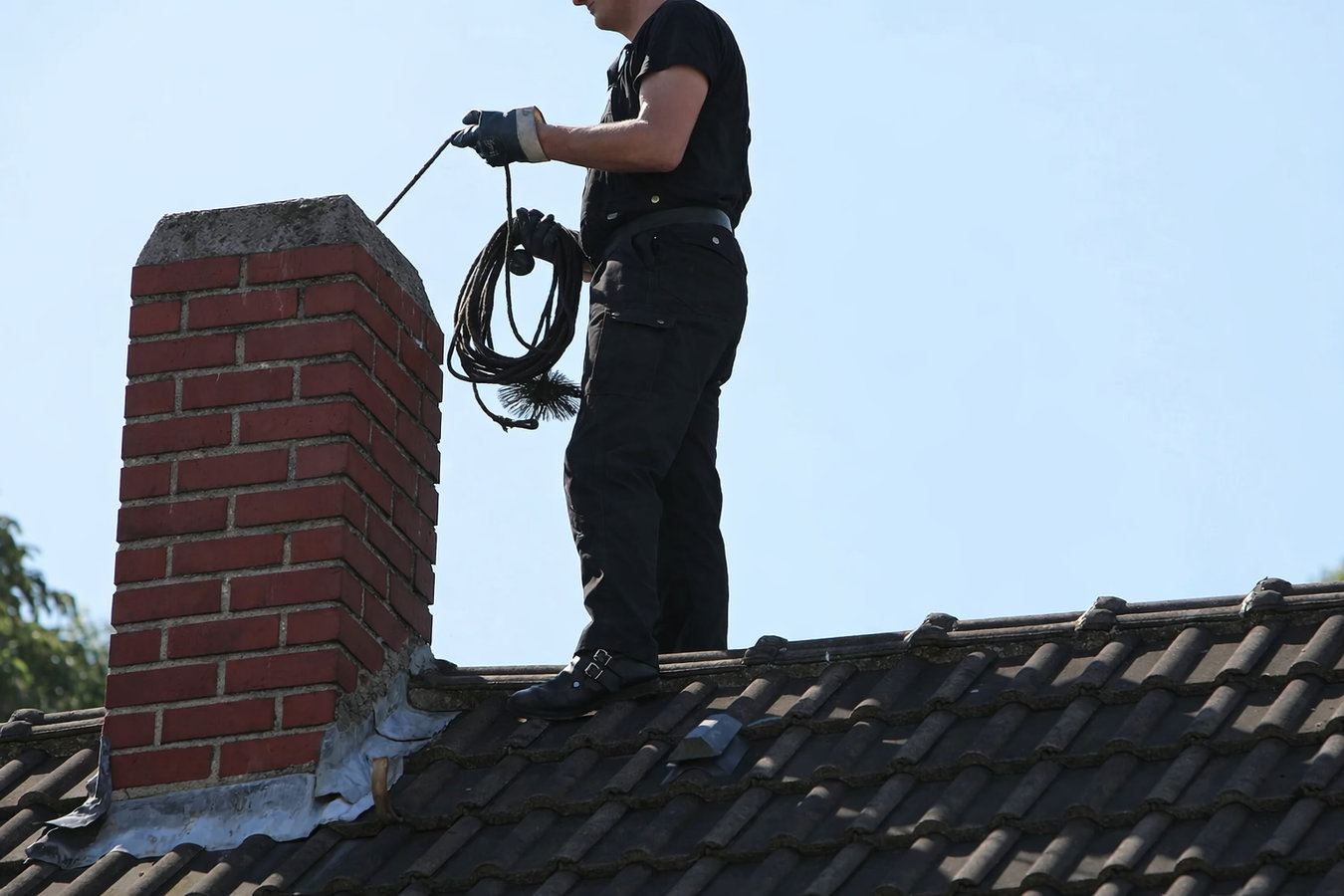
Cracked crowns, crumbling mortar, and missing caps let water and cold air in all winter. We repair, seal, and restore chimneys across the Yakima Valley.
Chimney repair in Yakima covers everything from patching crumbling mortar joints and sealing a cracked crown to replacing a damaged liner, most jobs run one to three days and can be done without you leaving your home. A chimney inspection always comes before any work - that's how we find exactly what needs fixing rather than guessing.
Yakima's freeze-thaw winters are the main driver of chimney damage here. Water soaks into brick and mortar during wet weather, then freezes and expands overnight, cracking the masonry from the inside. Many Yakima neighborhoods have homes built in the 1940s through 1970s with original clay liners that have had 50 to 70 years of heating cycles to crack and deteriorate.
If your chimney needs more than basic repair, tuckpointing replaces the deteriorated mortar joints entirely, and fireplace installation is an option when the structure is too far gone for repair to make sense.
White, chalky streaks on the brick are a sign that water has been moving through the masonry and depositing minerals on the surface. In Yakima, this staining often appears after the first warm stretch of weather in March or April, following a winter of freeze-thaw cycles. It means water is getting in somewhere, and the entry point needs to be sealed before the next cold season.
Healthy mortar feels solid and resists pressure. If you can reach the lower portion of your chimney and find that the mortar between the bricks flakes or crumbles, it has broken down and is no longer sealing the chimney properly. Given Yakima's cold winters, deteriorated mortar tends to worsen quickly once it starts - a small repair now is nearly always less expensive than waiting.
A smoky or musty odor from your fireplace on warm days or when the wind picks up usually means the chimney's draft is not working correctly or there's a gap somewhere letting air flow back into your living space. This is worth investigating promptly - it can indicate a gap in the liner that poses a real fire and carbon monoxide risk.
The concrete crown at the top of your chimney is one of the first things to crack in a climate with significant temperature swings. If you can see from the ground that the crown looks uneven, has visible cracks, or has pieces missing, water is almost certainly getting in. Yakima homeowners who burn wood regularly often find crown damage appearing after the first hard freeze of the season.
The repair needed depends on what the inspection finds. Mortar joint repairs and crown sealing address the most common sources of water entry. Liner replacement handles the interior of the chimney when cracks in the flue allow combustion gases to move in places they shouldn't. Cap installation is often the single most effective way to stop water and animals from entering an unprotected chimney.
For chimneys where the mortar has deteriorated across a large section of brickwork, we also offer tuckpointing - the process of removing old, crumbling mortar and replacing it with fresh material matched to the existing brickwork. When a homeowner wants to upgrade or replace their fireplace system entirely, our fireplace installation service handles the full masonry build.
Old, crumbling mortar removed and replaced with fresh material to restore the chimney's weather seal and structural integrity.
Concrete crowns sealed or rebuilt to keep water out, and metal caps installed over the flue opening to block rain, debris, and nesting animals.
Cracked or deteriorated clay liners assessed and replaced with a properly sized liner that meets current safety requirements for your heating appliance.
Yakima gets fewer than 10 inches of rain per year, which sounds like it should be easier on chimneys. The problem is the daily freeze-thaw cycle during winter. Temperatures regularly swing above and below 32 degrees from night to day, which means any water that soaks into brick or mortar during the day freezes overnight and expands, cracking the masonry from the inside. Seattle chimneys get more rain, but they rarely experience the same repeated freeze-thaw stress that Yakima chimneys face from November through March.
Yakima also has a strong wood-burning culture, with many homeowners burning apple, cherry, and pear orchard wood as a primary or supplemental heat source. Frequent wood burning produces more creosote buildup in the liner than occasional use, and chimneys that go years between inspections can have significant buildup or liner damage that isn't visible without a camera. We serve homeowners throughout the valley, including Selah and Naches, where older homes with original chimneys are common.
We respond within one business day. We will ask what you have noticed, how old the home is, and what type of fireplace or heating appliance you have - so we come to the inspection prepared.
We examine the crown, cap, mortar joints, and flashing from outside. For a thorough check we use a camera inside the flue. We walk you through what we found and show you photos before recommending anything.
You receive a written estimate that describes what needs to be repaired, why, and the full cost. If a permit is required for more significant structural work, we handle pulling it - that is not your responsibility.
Most exterior work takes a day or less. If fresh mortar was applied, we give you a specific curing time before you use the fireplace - typically 24 to 72 hours. You receive documentation of all work completed.
We respond within 1 business day. No obligation - after you submit, someone from our office will call to schedule a free on-site chimney assessment at your convenience.
(509) 654-9682We work on chimneys across Yakima's neighborhoods every week and understand how local freeze-thaw patterns and wood-burning habits affect chimneys here - not just in Washington generally.
Washington State requires chimney repair contractors to hold an active license through the Department of Labor and Industries. We carry that license along with full liability and workers' compensation coverage on every job.
We use a camera inspection to see the full condition of the chimney liner before recommending any work. You will not be told to replace a liner we haven't actually looked at. The Chimney Safety Institute of America recommends camera inspections as the standard for a thorough assessment.
You receive a written report of what was found, what was done, and photos showing the before-and-after condition. That documentation matters for your home insurance records and for any future buyer who wants to know the chimney's history.
Chimney problems that are misdiagnosed or improperly repaired can create fire and carbon monoxide risks that are not visible to the naked eye. That is why credentials and a camera inspection matter here more than in most home repair categories. The Chimney Safety Institute of America provides homeowner guidance on what a proper inspection includes and how to evaluate a contractor's credentials.
Deteriorated mortar joints removed and replaced to restore the seal and appearance of brick chimneys and walls.
Learn MoreNew masonry fireplaces designed and built to current safety standards for Yakima homes.
Learn MoreFall is the best time to schedule chimney repairs in Yakima - the soil is stable, the ground is not frozen, and you have time to fix problems before the first fire of the season.